
Skyline Moon — News
The planets visible this season
Venus, Jupiter, and Mars hold the morning sky this November and December. Saturn is the evening planet. Mars and Jupiter pass just 1.2 degrees apart before dawn on November 15 and 16.
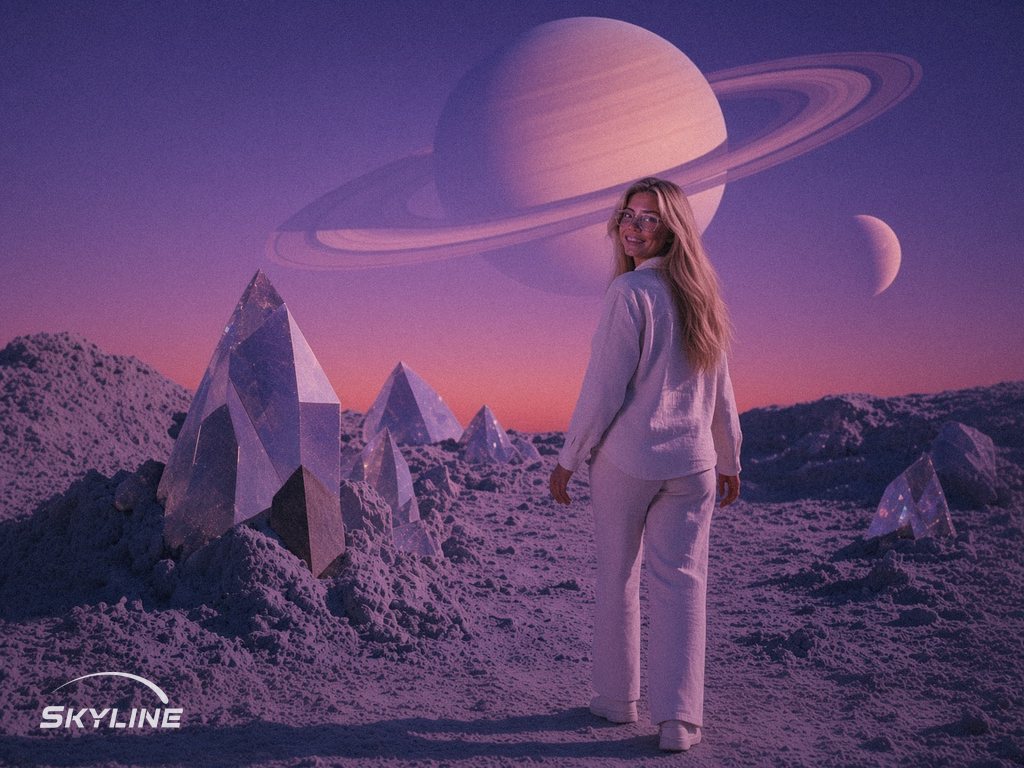
You do not need a telescope to begin a season of planet watching. In late autumn and early winter 2026, several of the bright planets are easy to place if you know whether to look after dusk or before dawn. NASA’s November 2026 skywatching guide, “What’s Up,” is the starting point for this month. The same pattern, with small shifts, carries into December.
All times ET. Rise and set minutes change with your location and with the date, so treat the cues below as a sky map, not a clock: morning planets in the east before sunrise, evening planets in the south or west after sunset.
The morning lineup: Venus, Jupiter, and Mars
The richest planet view this season is before dawn. Venus is the bright morning “star” in the east, and it is the brightest of the group. It spends November low to higher in the predawn sky and remains a morning object through December. Timeanddate’s November sky guide notes that Venus reaches its brightest of 2026 late in the month, around November 27. If you see one dazzling point in the southeast before sunrise, it is almost certainly Venus.
Higher in the morning sky, Jupiter and Mars share the constellation Leo. NASA’s November guide highlights November 15–16, when Mars and Jupiter appear just 1.2 degrees apart before sunrise—about two and a half full-Moon widths. That is the tightest pairing of the two this season and a good excuse to get up early even if you have never hunted planets before. Jupiter is the brighter of the pair; Mars is fainter and warmer in color. They remain near each other through the rest of November and into December, slowly changing their spacing, and both stay morning objects as the year ends. A waning Moon passes that part of the sky at the end of November and again in late December, which can help you find the pair if you use the Moon as a marker.
Mercury, briefly, in the morning
Mercury is a harder target. It never strays far from the Sun, so it is visible only in twilight, and only for days at a time. After passing between Earth and the Sun in early November, it climbs into the morning sky. EarthSky and other observing guides put its greatest western elongation—its widest morning separation from the Sun this apparition—around November 20–21. That is the best window to try for it, very low in the east shortly before sunrise, with Venus much higher and easier as a guide. By mid-December Mercury has sunk back toward the Sun and is a poor target again. If you miss it, wait for a later elongation rather than staring into sunrise.
Saturn in the evening
Saturn is the evening planet of the season. After dusk it stands in the southern sky, in the direction of Cetus, and remains up into the late evening or early morning, depending on the date. It fades only slightly through November and December and is a steady target for binoculars or a small telescope if you want to look for the rings. A waxing Moon passes near Saturn around November 20, the same date many almanacs also flag for Mercury’s morning elongation. The two events are in different parts of the sky, at different ends of the night.
A more distant world, and the rest of the season
Uranus reaches opposition on November 25, when it lies opposite the Sun and is up all night. Opposition makes it as bright as it gets, but “bright” for Uranus still usually means binoculars or a telescope and a chart, not a casual glance. NASA’s November guide is aimed at the easier show: Taurid and Leonid meteors, the Mars–Jupiter pairing, and the November 24 supermoon.
December keeps the same planet roles—Venus, Jupiter, and Mars in the morning, Saturn in the evening—and adds the sky’s best reliable meteor shower. NASA lists the Geminid peak on December 13–14. A waxing crescent Moon that night sets in the evening, which favors a dark late night. The December solstice falls on December 21. The next supermoon, often called the Cold Moon, turns full at 8:28 PM ET on December 23, according to timeanddate’s lunar calendar for Eastern Time.
If you only step outside once this month, make it a clear morning around November 15 or 16 for Mars and Jupiter, or a clear evening for Saturn. If you step outside twice, add Venus. The planets will still be there tomorrow. The tight pairing will not.
Sources
- NASA Science, What’s Up: November 2026 Skywatching Tips.
- EarthSky, Visible planets and night sky guide for November.
- timeanddate, Sky Guide for November 2026 and Moon Phases.
- NASA Science, Geminids.
The December 23 full-Moon time of 8:28 PM ET is from timeanddate for Eastern Time. All times ET. Corrections: see News editorial policy.